Welcome to The Center for Theory of Change
The Center for Theory of Change is a non-profit organization established to promote quality standards and best practices for the development and implementation of Theory of Change, with a particular focus on its use and application in the areas of international development, sustainability, education, human rights and social change.
THEORY OF CHANGE CERTIFICATION COURSE
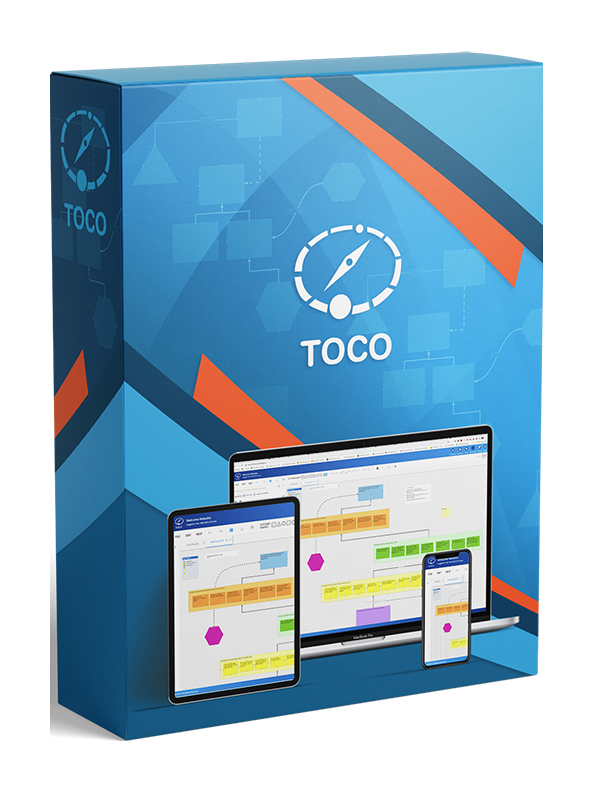
NOW INCLUDING TOCO Subscription with TUTORIAL!
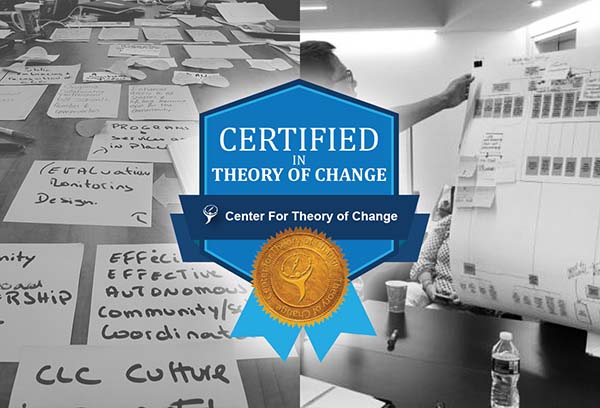
This is a comprehensive online course done at your own pace.
- Personal senior advisor available 24/7
- Most webinars are included in the course price
- Extensive up-to-date articles, examples, presentations in ToC
- Elective advanced topics
- Basic option available
Write to hclark@actknowledge.org with any questions
“I have learned SO MUCH. Thanks for putting this together and for the time you’ve invested in giving feedback. This has been a tremendous learning experience” – Heather F.
Get certified by the gold standard ToC source,
the Center for Theory of Change
Latest News
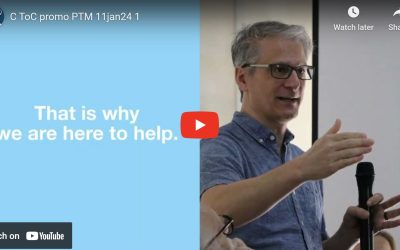
I’m pleased to share our new introductory video for the Center for Theory of Change, where I am honored to serve as Executive Director.
https://www.youtube.com/watch?v=7ryQafFFgs0 Let's talk about creating change. Together.

What we’re reading at the Center
How did nonprofits change because of COVID-19?: Over the past three years, the nonprofit sector has undergone a profound change. A new study, spanning 2020 to 2023, examines the changes nonprofits made in response to COVID-19 and looks at the characteristics of the most adaptive nonprofits.

Heléne Clark asked to join board at World Health Organization
We are pleased to announce that Heléne Clark, Founder and Director of both The Center for Theory of Change (C-ToC) and ActKnowledge, has been asked to join the expert/editorial board for the Evidence to Policy and Impact Unit in the Research for Health...
Theory of Change in a nutshell
By Heléne Clark
How can you plan to make change happen or evaluate the effectiveness of actions you took? How can you link desired long-term goals with all the conditions that must be in place? How can you map out a step-by-step pathway that highlights your assumptions and expectations?
Read the full article on the “Integration and Implementation Insights” here.
Heléne Clark
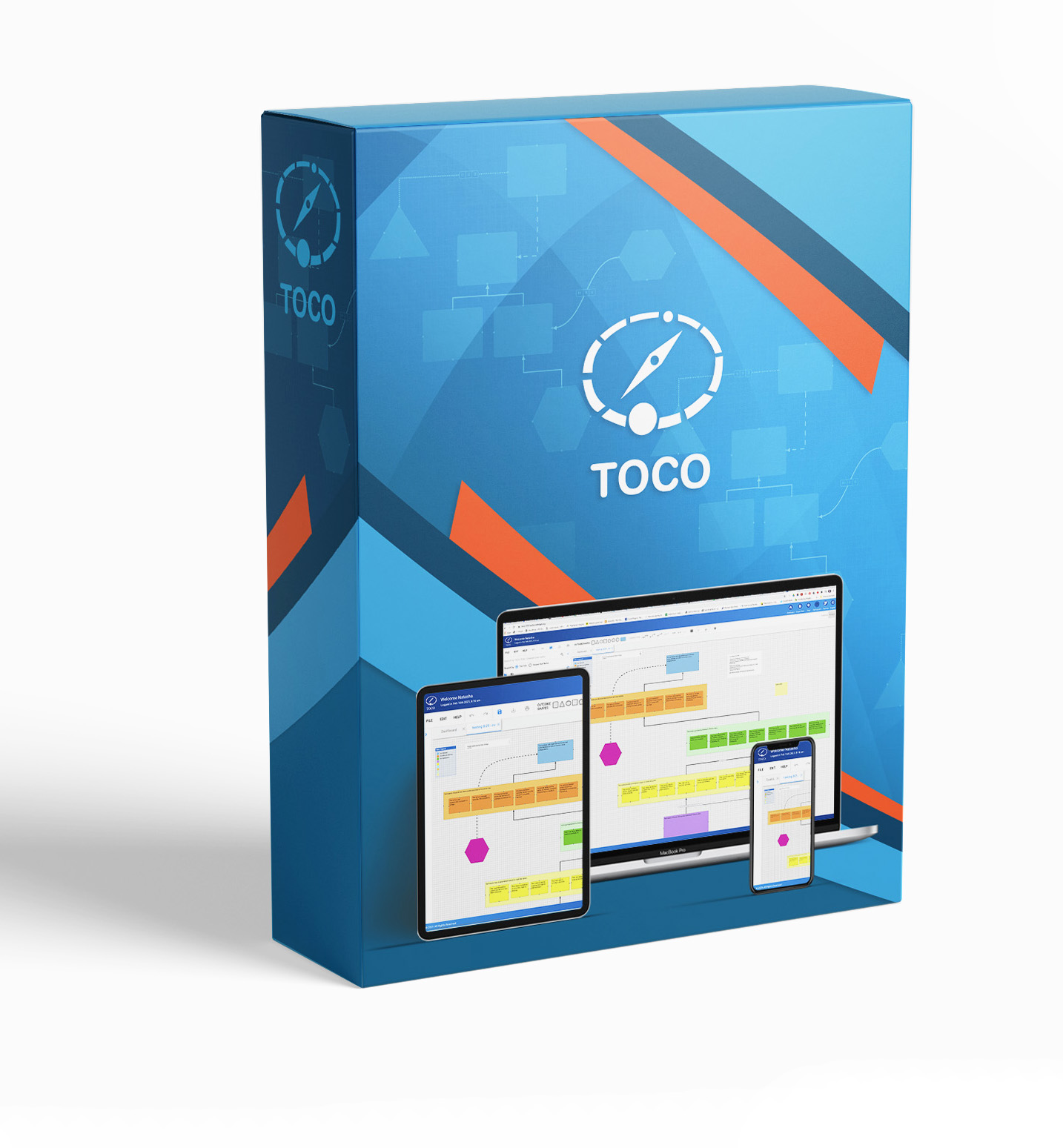
TOCO 3.0
More Powerful
More User-Friendly
More Secure
GET ACCESS FOR JUST $129 USD/year.
ADD a 30 Min Tutorial for $50 USD more!
-
Faster Interface
-
Secure
-
Compatible with all current browsers
-
Tablet compatible
-
Easily to use
-
and much much more…
The middle Road interviews Dr. Helene Clark
 |
Episode 24: The middle Road interviews Dr. Helene Clark Founder and Director of ActKnowledge, and Board Chair of The Center for Theory of Change |
Webinars
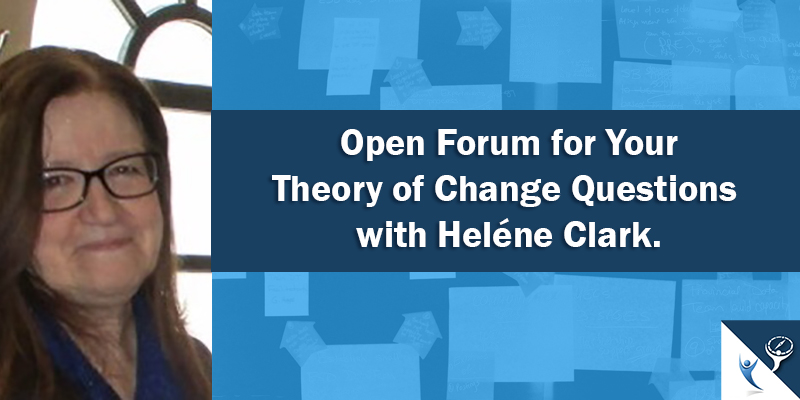
Open Forum for Your Theory of Change Questions with Heléne Clark
Heléne will answer any questions on Theory of Change as a concept, method, evaluation tool, planning process or anything else. Cost $59
Partners: This webinar is now available on your dashboard!
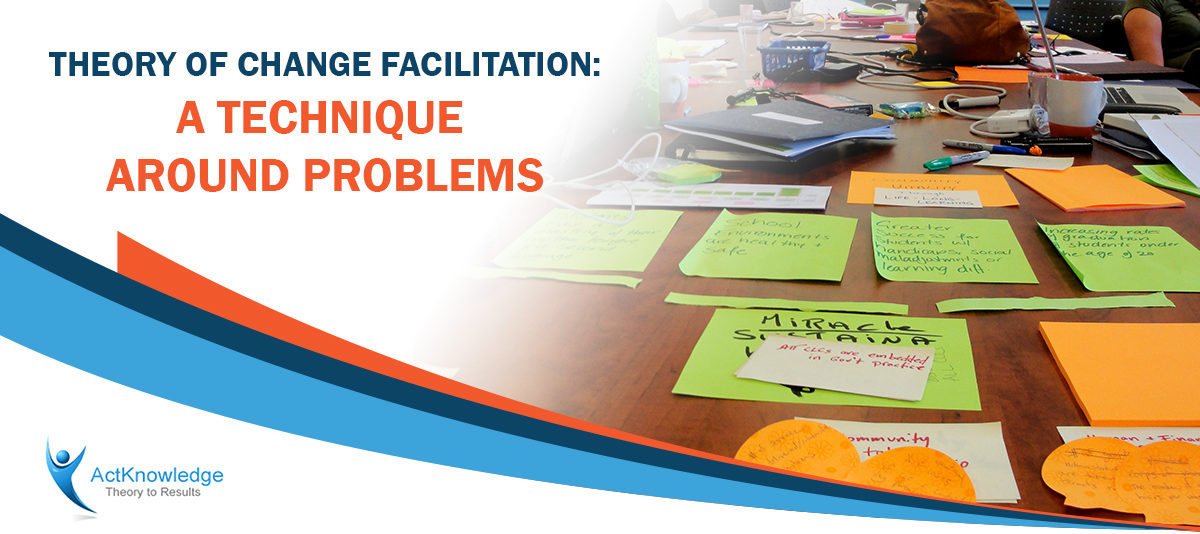
THEORY OF CHANGE FACILITATION: A TECHNIQUE AROUND PROBLEMS
This is an in-depth webinar (90 minutes with Q & A) on a methodology to use when backward mapping is difficult. This is one of our most in-depth webinars ever! Cost: $99*
Partners: This webinar is now available on your dashboard!

Become a Center for Theory of Change Partner
Get access to experts, trainings and more!
Our Partners
Florida Institute of Education at the University of North Florida |
The Desk Consulting Group Inc. |
As You Climb Strategies |
Washington Business Dynamics |
Health Policy Analysis |
Halton Region Public Health |
DRG |
Auckland University of Technology |
Rob John |
NHRC |
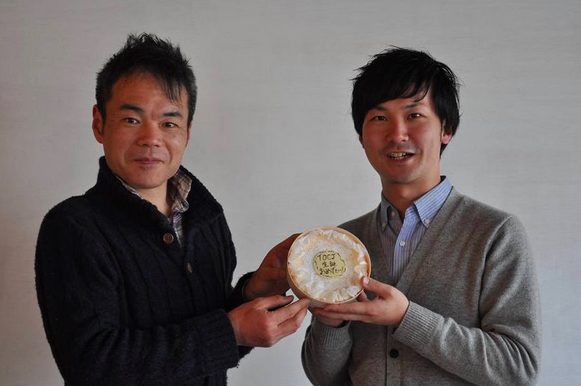
Theory of Change Japan
We are delighted to announce the establishment of Theory of Change Japan (ToCJ), the Japanese affiliate of the Center for Theory of Change. This couldn’t have happened without the drive of founding Directors Yutaka Tanabe and Motoi Kawabata. Eoin Collins, Director of the Center for Theory of Change in New York is also a director of the new affiliate.
About The Center for Theory of Change
Theory of Change has the power to radically enhance the capacity of social change organizations and initiatives to achieve their goals and demonstrate their impact. It grounds planning and strategy in the reality and evidence base of what is necessary to achieve change. Theory of Change is also critical to evaluation, providing a framework that allows organizations to know what to evaluate and when. It builds on – and can usefully incorporate data gathered through – other approaches that have been developed to improve planning and evaluation, including ‘logic models/logframes’ and ‘results frames’.
Resources
Webinars
Access webinars both free and paid to learn about Theory of Change.
Publications
Review publications in different industries using Theory of Change
Technical Support
Get technical assistance on your Theory of Change.
Relevant Papers
Resource of other papers and publications for Theory of Change